Sociology is the study of social life, social change, and the social causes and consequences of human behavior. Sociologists investigate the structure of groups, organizations, and societies and how people interact within these contexts.
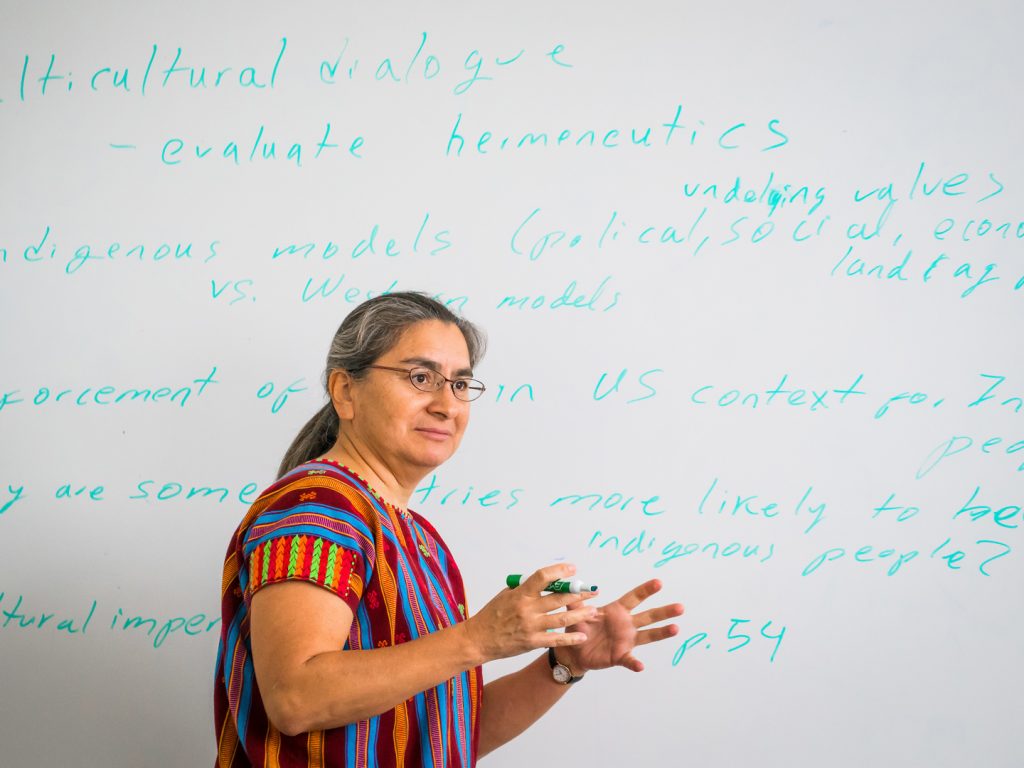
About the Sociology Area of Concentration
Although we are often unaware of its influences on us, the social world structures our opportunities, shapes our aspirations, and provides the stage for our actions. As individuals, we are sustained, empowered, and constrained by the web of social relations in which our lives are embedded. Sociological analyses illuminate the effects of social interactions, structures, institutions, and processes on the character and quality of our lives. Sociology ultimately empowers us to work toward a better world. At New College of Florida, students majoring in sociology are required to acquire competence in content knowledge, written and oral communication skills, and critical thinking skills.
Our program builds skills that employers today seek: an understanding of the social context of creativity and innovation; an ability to work with others in organizational settings; multicultural and global understandings; quantitative and qualitative analysis; critical thinking; and effective written expression. Sociology graduates have gone into a variety of fields, including Ph.D. programs and subsequent employment in academe (in Sociology and other fields), Arts Administration, Law School, International NGOs addressing Human and Refugee Rights, Public Health, Education, Social Work, Public Relations, Media and Communication, Urban Planning, Non-profit Community Development, and Community Organizing among others.
Featured Course
Introduction to Sociology
SOCI 2100Recent courses
|
|
Career Pathways
- Law
- International NGOs addressing Human and Refugee Rights
- Public Health
- Education
- Social Work
- Public Relations
- Media and Communication
- Social Justice
- Education
Contact Us
Sociology Faculty
-


-
 Dr. Barbara Feldman Professor of Sociology
 -
 Sarah Hernandez Associate Professor of Sociology & Caribbean and Latin American Studies Co-Director of the Initiative on Diversity and Equity in Academics
 -
 Dr. Queen Zabriskie Associate Professor of Sociology / MacArthur Chair MacArthur Professorship 2019-2022