
Pritzker Marine Biology Research Center
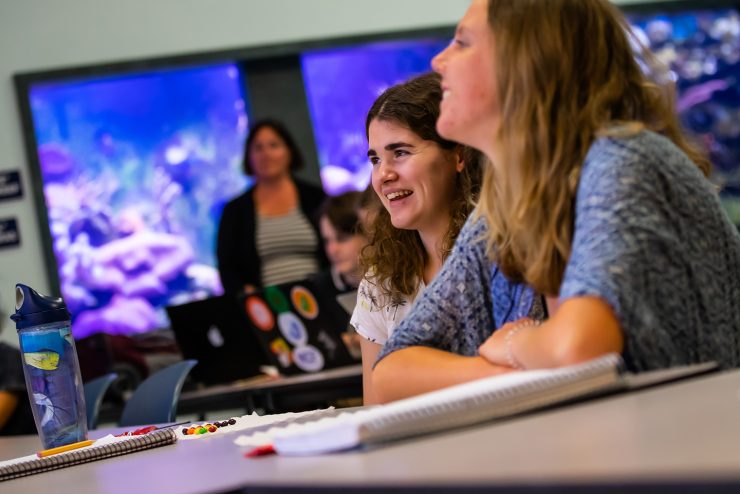
New College of Florida is the nation’s only liberal arts college with a marine research center located on its campus.
Built in 2001, the 10,000-square-foot Rhoda and Jack Pritzker Marine Biology Research Center on the New College campus provides hands-on research experiences for the next generation of scientists and conservation leaders. The Center is conveniently located about 100 yards from Sarasota Bay, which is a 56-mile-long urbanized coastal lagoon system with five embayments, as well as a U.S. Congress-designated Estuary of National Significance.
The Center features seven research labs with more than 400 species of marine and freshwater organisms–including fish, aquatic frogs and invertebrates. The Living Ecosystems and Teaching Research Aquarium (LETRA) room houses a 12,000-gallon research/display tank and six large aquaria (up to 2,000 gallons each). LETRA is used for hosting classes, research seminars, workshops and K-12 summer programs (it is also a public aquarium that is open year-round and hosts more than 1,200 visitors annually).
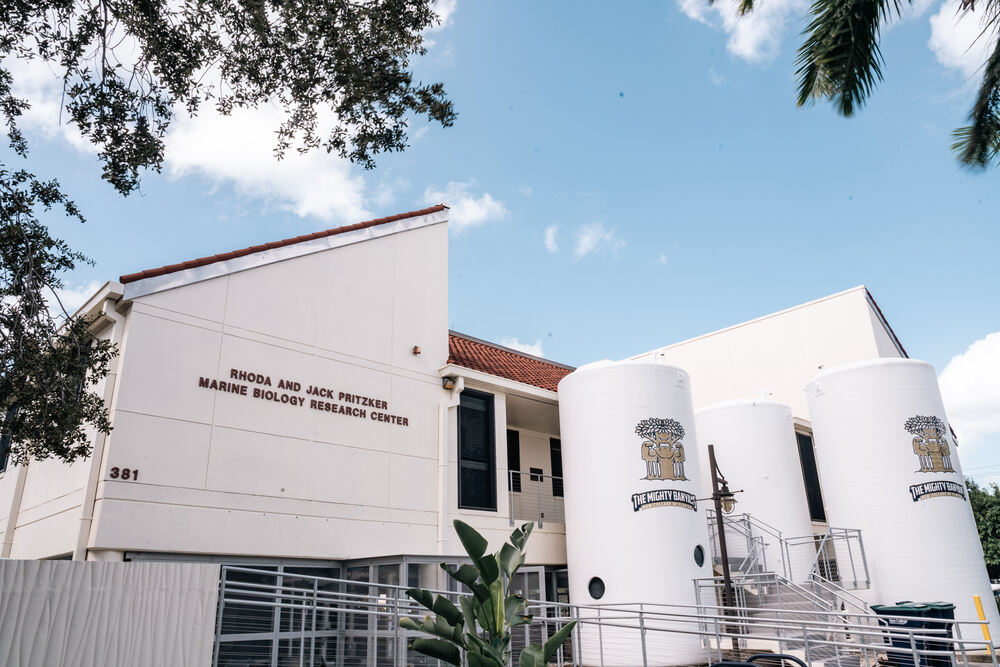
The Center’s flexible laboratory spaces can be quickly adapted to meet the needs of any marine research project. Aquaria come in various sizes and are suitable for holding a wide variety of organisms–from marine plants and delicate invertebrates to sharks and larger fish. Three storage silos (10,000 gallons each) hold the conditioned seawater supply for the building. Aquaria effluent is returned to the bay through a uniquely constructed wetland (created as part of a senior capstone project) west of the building, which acts as a natural filtration system by scrubbing gray water before it becomes bay water.
The Center also includes a 15,000-gallon flow tank and specialized facilities for coral propagation, tissue histology, and microscopy and imaging. Under a permit FKNMS-2009-073, the lab is permitted to hold, display and conduct limited non-destructive research on Caribbean coral obtained from a Florida Keys rescue site.
The Pritzker Marine Biology Research Center has a strong record of research, teaching and outreach. The lab is a member of the National Association of Marine Laboratories (and its southern division, the Southern Association of Marine Laboratories), as well as the Florida Institute of Oceanography and the Gulf of Mexico Coastal Ocean Observing System Regional Association. Faculty and staff are also active in the Florida Marine Sea Educators Association and the Council for Undergraduate Research.
Study Marine Biology at New College
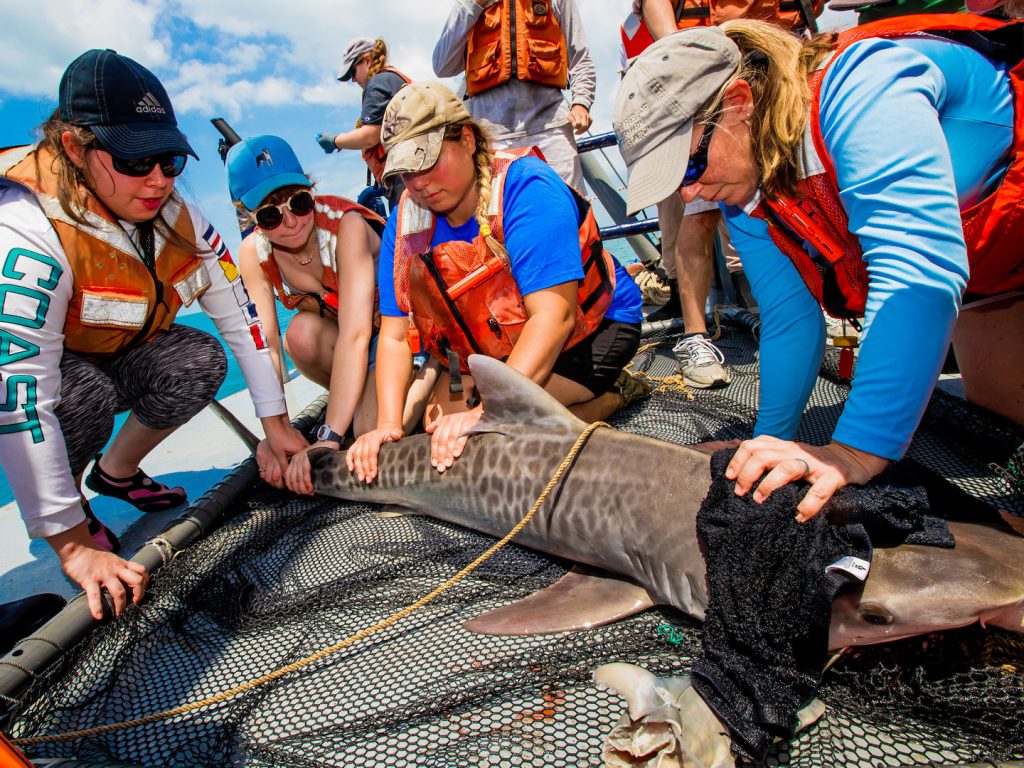
Education is at the core of the Pritzker Marine Biology Research Center’s mission. The Marine Biology Area of Concentration prepares students for graduate or professional studies in marine biology, biological oceanography and related fields, as well as for professional careers in marine or environmental fields.
Research and Outreach
Marine biology researchers at New College study all aspects of the marine environment with a focus on local organisms and ecosystems in Sarasota Bay. The Center also strives to serve the community through outreach programs.
Community Outreach
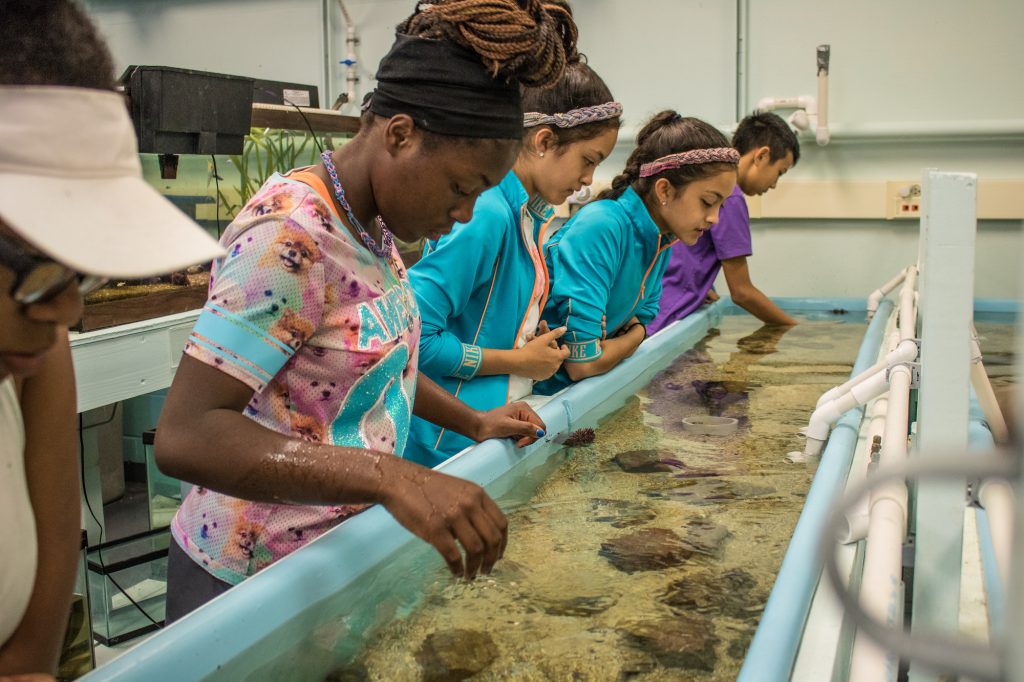
The PUSH/SUCCESS summer program, now in its 28th year, provides life-changing experiences for middle and high school students, inspiring them to take an interest in the marine environment and STEM careers. Marine science center faculty provide training for K-12 teachers to enhance the STEM curriculum in the local public school system through our Teacher Workshops.
Research Vessels & On-campus Water Access
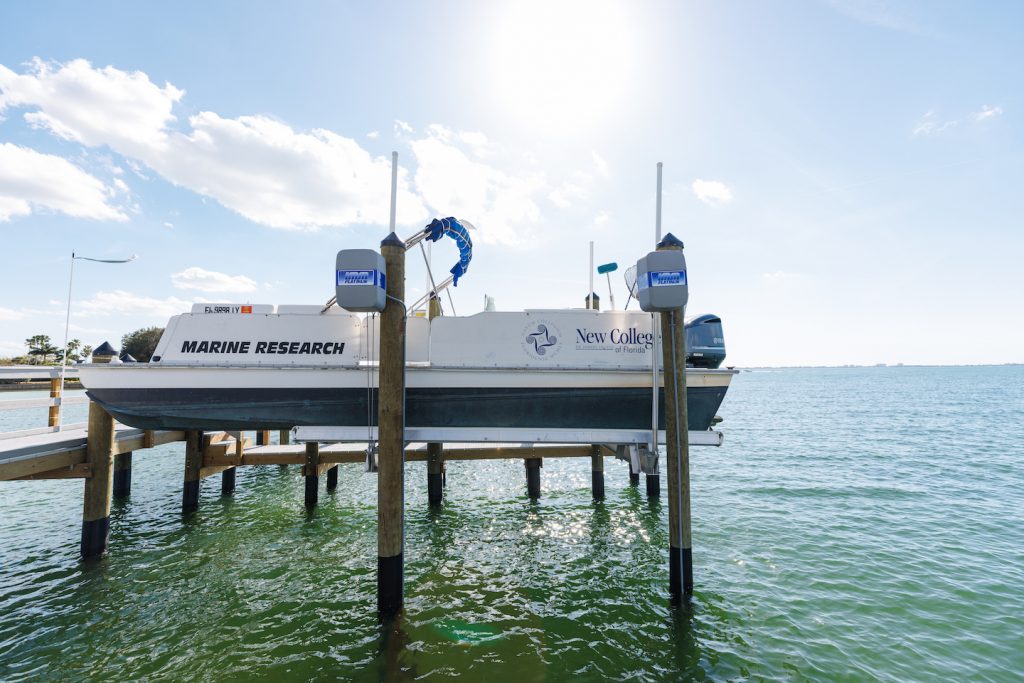
The newly constructed Marine Research and Waterfront Recreation Dock on the Caples Campus provides easy access to Sarasota Bay from campus. Research vessels for use by faculty and student researchers include the R/V Limbatus II (26’ Sunchaser Pontoon), R/V Thalassia (21’ Carolina Skiff), and the 14’ Rigid inflatable.
Current Research Projects

- Population Biology of syngnathids (seahorses and pipefish) in Sarasota Bay
- Life history, behavior, and adaptation to changing environments in livebearing fishes
- Ecological succession at Midnight Pass post-hurricane-induced reopening
- Learning from hearing in humans and marine mammals
- Colonization and succession of microbiomes in marine invertebrates
- Using AI to track and quantify animal behavior & personality using computer vision technology
- Biological underpinnings and functional role of animal personality; currently focused on topics related to stress response (environmental and anthropogenic stressors) and social dynamics (in bottlenose dolphins, spotted eagle rays, and fish)
- Bottlenose dolphin behavior, personality, biology, health, population dynamics, and conservation
- Sarasota Coast Acoustic Network (SCAN)
- Sirenian (manatee) biology
- Acoustic ecology of Sarasota Bay
- Crustacean population biology
- Sensory ecology of elasmobranchs and bony fish
- Marine bio-optics
- Ecology and evolution of algae-cnidarian (coral) symbioses
- Temperature tolerance in corals, bleaching, effects of climate change
Faculty, Staff, and Research Scholars
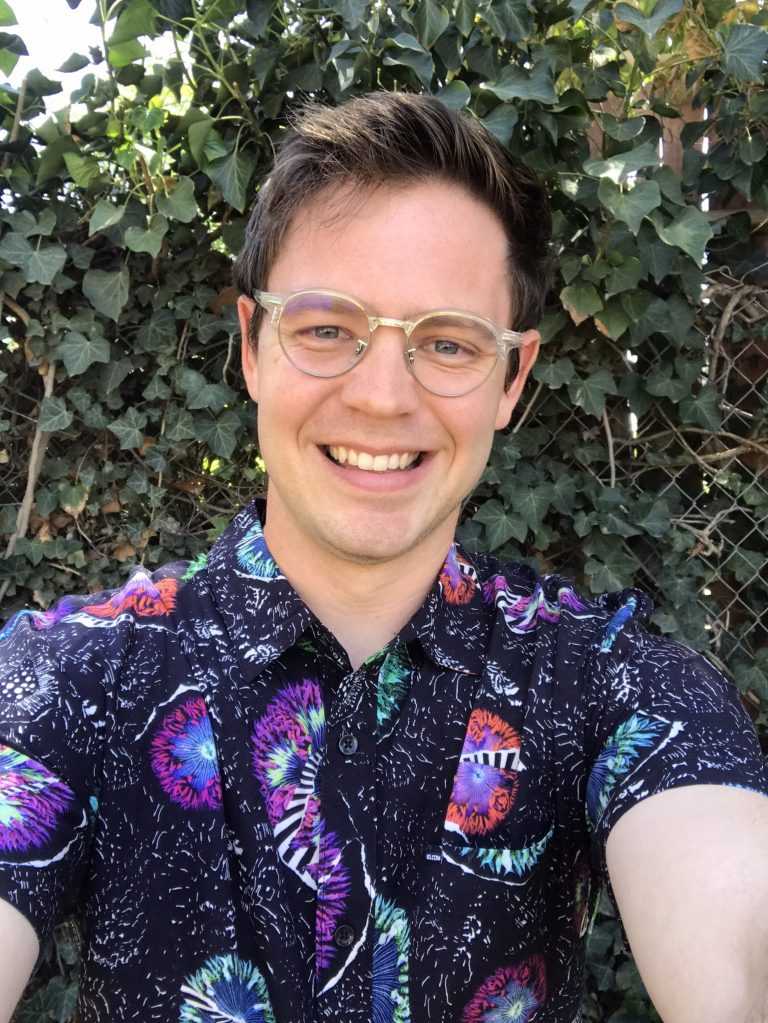
Samuel Bedgood
Assistant Professor of Biology

Alfred Beulig
Emeritus Professor of Biology
Brandan Cole
Coordinator, Research Programs
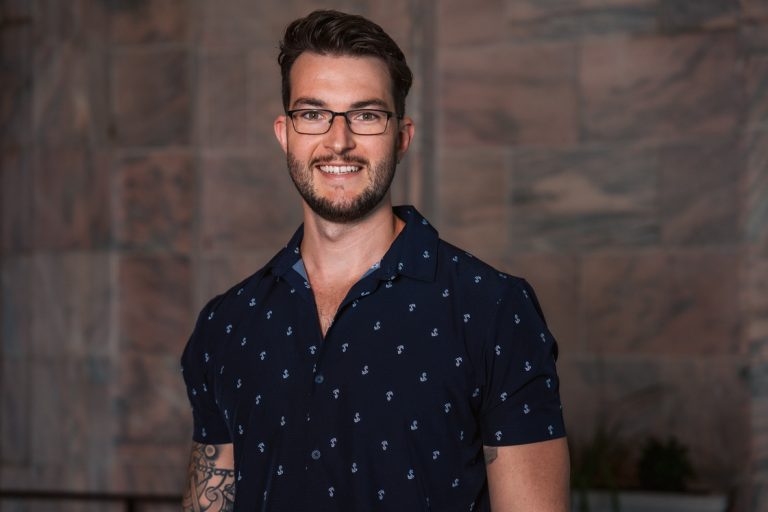
Nathaniel Curtis
Postdoctoral Fellow

Breanna DeGroot
Senior Laboratory Technician
Leo Demski
Emeritus Professor of Biology
Founding Director Pritzker Marine Biology Center
Sandra Gilchrist
Professor of Biology & Marine Science
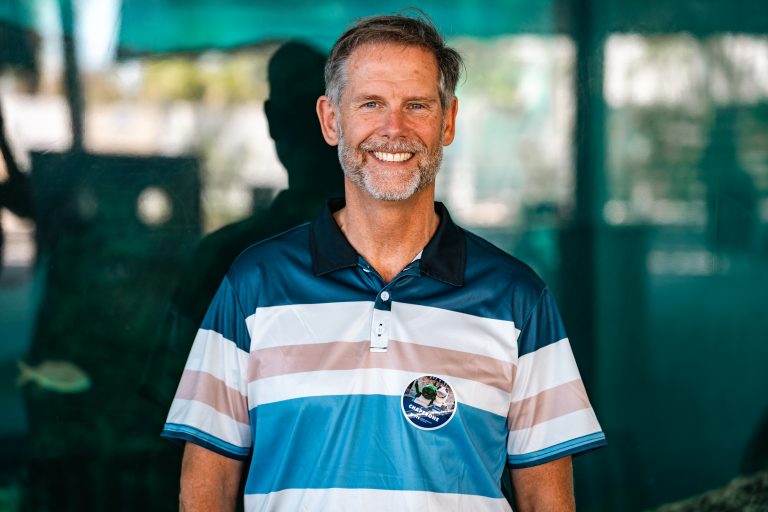
Kent Hatch
Assistant Professor of Organismal Biology
Director, Pritzker Marine Biology Research Center
Bruce Kurtz
Research Scholar
Jenny Lee
Assistant Director, Pritzker Marine Biology Research Center
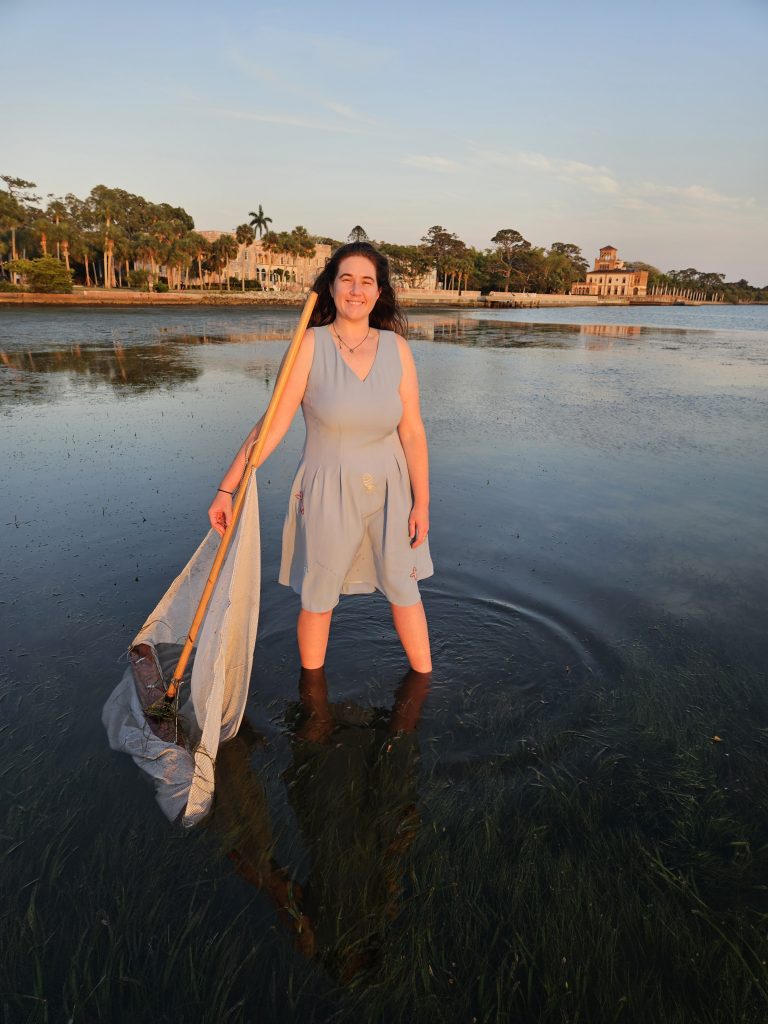
Samantha Levell
Assistant Professor of Marine Biology
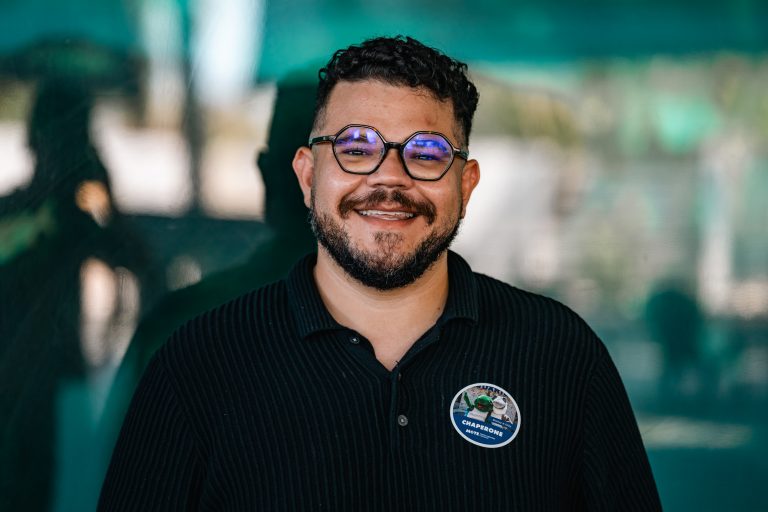
Jose Moscoso Nunez
Assistant Professor of Marine Biology
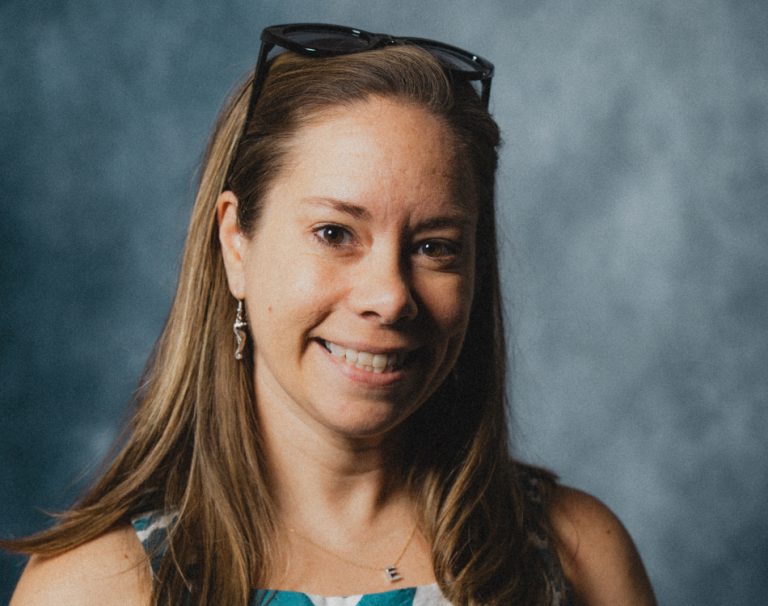
Emily Rose
Assistant Professor of Biology
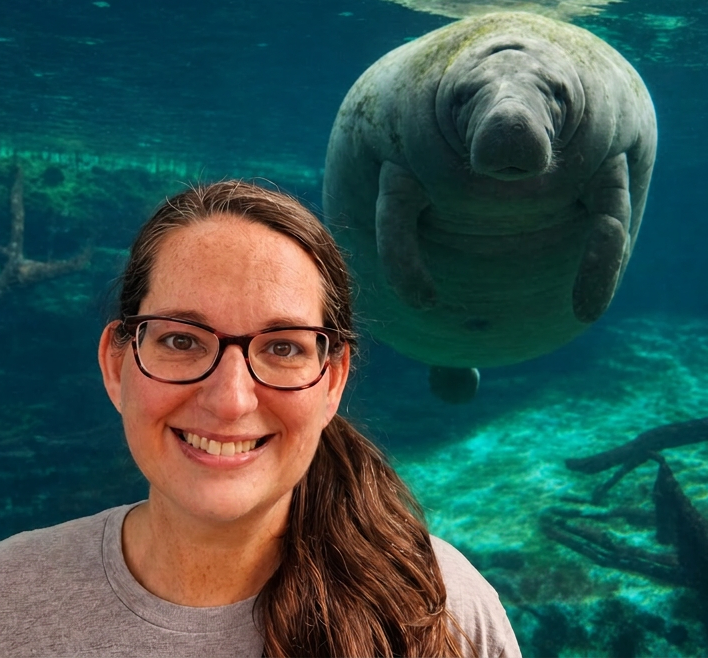
Athena Rycyk
Associate Professor, Marine Mammal Science and Biology
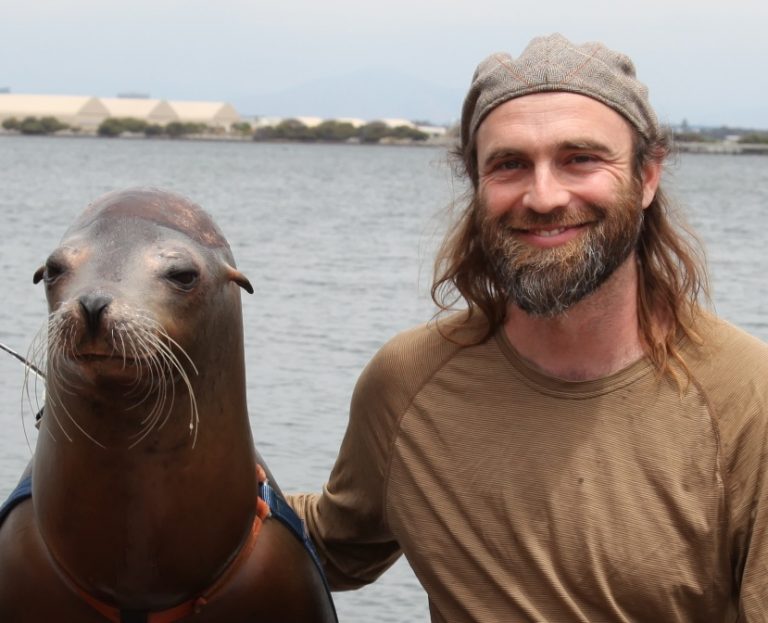
Matt Schalles
Assistant Professor of Psychology
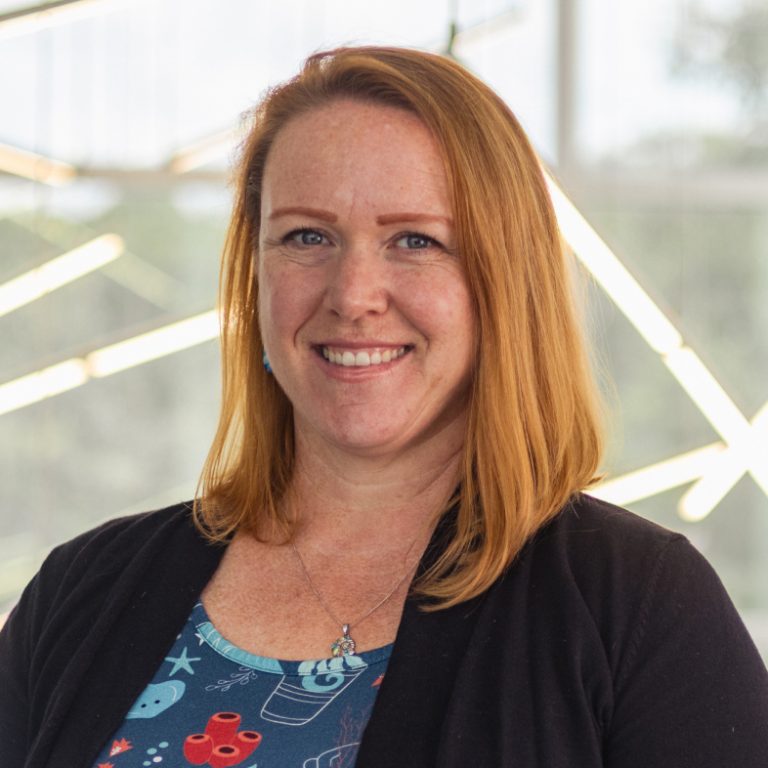
Christina Toms
Assistant Professor of Psychology, Biopsychology
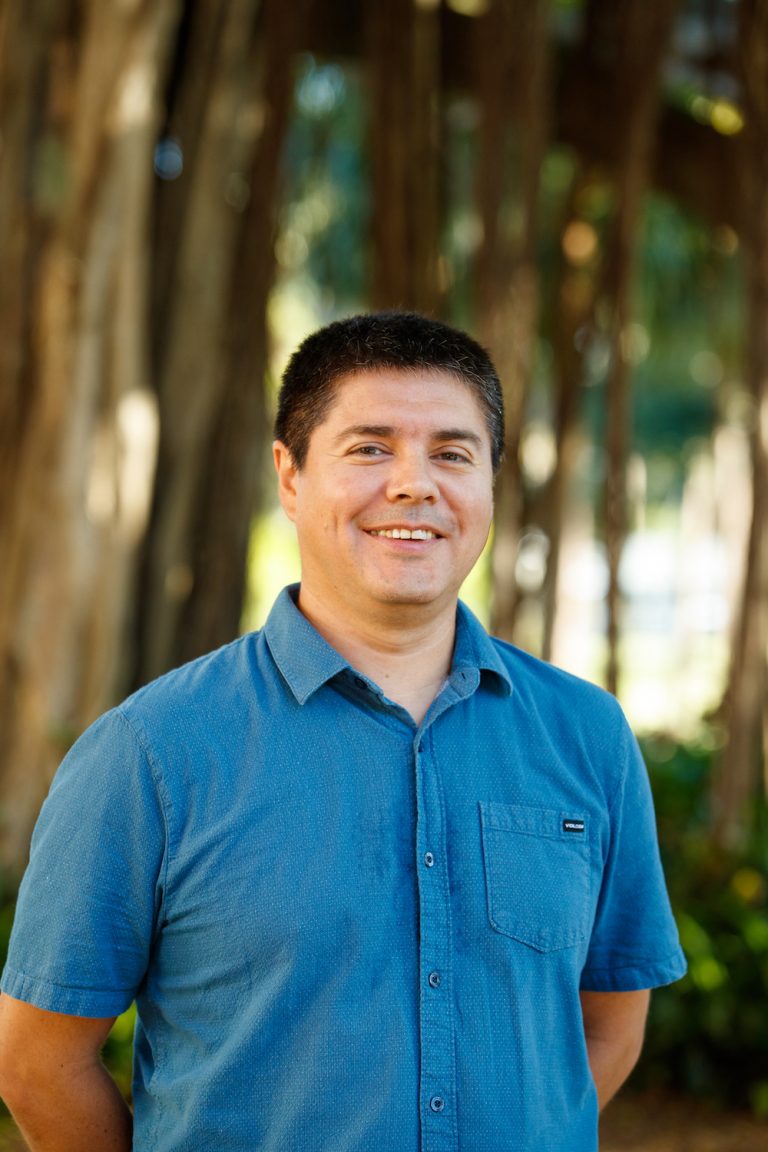
Gerardo Toro-Farmer
Associate Professor of Coastal and Marine Science